Showing posts with label grunge. Show all posts

Tuesday, June 30, 2026

Poison - Bell Biv DeVoe - Vinyl - Full Review


Poison by Bell Biv DeVoe on vinyl is one of those records that sits at a very interesting crossroads in late 80s and early 90s R&B history. It is not just a debut album, it is a blueprint for the New Jack Swing movement branching into a harder, hip hop influenced R&B sound that would dominate the early 90s.

Bell Biv DeVoe, formed by former members of New Edition, took a bold step away from polished teen pop R&B and leaned into a grittier, street influenced style. The result is an album that still feels rhythmic, percussive, and built for movement decades later. On vinyl, that energy becomes even more noticeable because of the warmth and punch that analog playback brings to the production.

The standout track, Poison, remains the defining moment of the album. It is built on sharp drum programming, aggressive bass lines, and an instantly recognizable hook. The vocal delivery is more rhythmic than melodic, blending rap styled phrasing with R&B harmonies. On vinyl, the low end hits with more weight, giving the track a physical presence that digital versions sometimes smooth over.

Other tracks on the record continue the same formula but explore different angles. Do Me and Word to the Mutha! lean heavily into hip hop influence, with call and response vocals and playful yet assertive lyrics. These songs highlight the group’s willingness to push R&B into more confrontational and street oriented territory at a time when that was still relatively new for mainstream acts.

Slow jams on the album, such as When Will I See You Smile Again, provide balance. These tracks show that Bell Biv DeVoe were still deeply rooted in traditional R&B vocal harmony. On vinyl, these softer songs have a warm, slightly softened texture that contrasts nicely with the harder edged tracks, making the album feel like a complete listening experience rather than a collection of singles.

From a production standpoint, Poison is heavily driven by the New Jack Swing style pioneered by producers like Teddy Riley. The drum machines are crisp and syncopated, the bass lines are thick and funky, and the layering of vocals and samples creates a dense but controlled soundscape. Vinyl playback tends to emphasize the midrange richness of these productions, making the vocals sit slightly more forward while preserving the punch of the rhythm section.

As a vinyl record, Poison also benefits from its sequencing. Each side of the album flows with clear intention: high energy tracks dominate the first impressions, while smoother cuts provide emotional relief later in the record. This kind of pacing feels especially intentional on physical media, where the listener naturally engages with the album in full rather than skipping tracks.

What makes this album still relevant is its influence. It helped define a shift where R&B groups were no longer expected to remain purely vocal harmony acts. Instead, they could incorporate rap cadences, street narratives, and harder beats without losing mainstream appeal. That hybrid approach is now standard in modern R&B and pop, but Poison was part of the early wave that made it acceptable.

On vinyl specifically, this record also has collector appeal. Original pressings and well maintained reissues tend to emphasize different sonic qualities, but in both cases the album retains its punchy, dance oriented identity. It is not an audiophile reference pressing in the traditional sense, but it is an engaging, energetic listen that benefits from analog warmth.

Overall, Poison by Bell Biv DeVoe on vinyl is a high energy, historically important album that captures a pivotal moment in R&B evolution. It blends streetwise attitude with polished vocal craftsmanship, and on record it delivers a listening experience that still feels immediate, rhythmic, and alive more than three decades later.


Get Poison On Vinyl On Amazon!

Sunday, February 2, 2025

The History On Music Listening

 The evolution of music listening has been a journey shaped by technological advancements, changing consumer habits, and industry innovations. From the early days of phonographs to the digital streaming era, the way we experience music has continually evolved.

The Era of Phonographs and Records (Late 19th Century - Mid 20th Century)

The journey of recorded music began in the late 19th century with Thomas Edison’s invention of the phonograph in 1877. This device used wax cylinders to capture and replay sound. However, it was Emile Berliner’s introduction of the gramophone in the 1880s that revolutionized the industry by using flat discs, which later evolved into the vinyl records we recognize today.

By the early 20th century, records became the primary format for music consumption. The standard 78 RPM (revolutions per minute) record was popular until the late 1940s when Columbia Records introduced the 33 1/3 RPM LP (long-playing record), which allowed for longer recordings. RCA Victor countered with the 45 RPM single, making music more accessible and affordable for the masses.

The Rise of Magnetic Tape and Cassettes (1950s - 1980s)

The introduction of magnetic tape technology in the 1950s brought further advancements. Reel-to-reel tapes offered high-quality audio, though they were bulky and expensive. The compact cassette, introduced by Philips in 1963, changed the landscape of music consumption. It was portable, affordable, and allowed users to record their own music, paving the way for the mixtape culture of the 1970s and 1980s.

Cassette players, including the Sony Walkman (introduced in 1979), gave music lovers the ability to take their tunes on the go. This personal and mobile music experience marked a major cultural shift, as listeners were no longer confined to home stereo systems.

The Domination of CDs (1980s - 2000s)

The 1980s saw another major shift with the advent of digital audio through the compact disc (CD). Developed by Sony and Philips, CDs were introduced in 1982 and quickly overtook vinyl and cassettes due to their superior sound quality, durability, and convenience. The format allowed for digital precision in recording and playback, eliminating the hiss and degradation issues of magnetic tape.

The CD boom of the 1990s was driven by the rise of personal CD players and car stereos, along with massive album sales fueled by the music industry. However, this dominance began to wane with the rise of digital downloads and the internet.

The Digital Revolution and MP3 Era (Late 1990s - 2010s)

With the growth of the internet in the late 1990s, music consumption began shifting toward digital formats. The MP3 format, which compressed audio files without significant loss in quality, enabled music to be easily stored and shared online. Napster, launched in 1999, was a pioneer in digital file-sharing, though it was shut down due to copyright violations.

In response to rampant piracy, legal digital music stores emerged, most notably Apple’s iTunes Store in 2003. The iPod, released in 2001, further transformed listening habits by allowing users to carry thousands of songs in their pocket, replacing bulky CD collections with digital libraries.

The Streaming Era and Cloud-Based Music (2010s - Present)

The 2010s saw the decline of digital downloads in favor of streaming services. Spotify, launched in 2008, popularized the subscription-based streaming model, providing access to vast music libraries without requiring users to own individual tracks. Other platforms, including Apple Music, Amazon Music, and YouTube Music, followed suit, revolutionizing music consumption.

Streaming services utilize cloud technology, allowing users to access their favorite songs anywhere with an internet connection. Personalized playlists, algorithm-driven recommendations, and on-demand music access have redefined how we listen.

The Future of Music Listening

As technology continues to evolve, new frontiers in music consumption are emerging. High-resolution audio, AI-curated playlists, immersive experiences like spatial audio, and blockchain-based music distribution could further change the landscape. While the formats have changed, the core experience—enjoying music as a personal and cultural expression—remains timeless.

From vinyl records to digital streams, the journey of music listening reflects our constant pursuit of better sound quality, convenience, and accessibility.

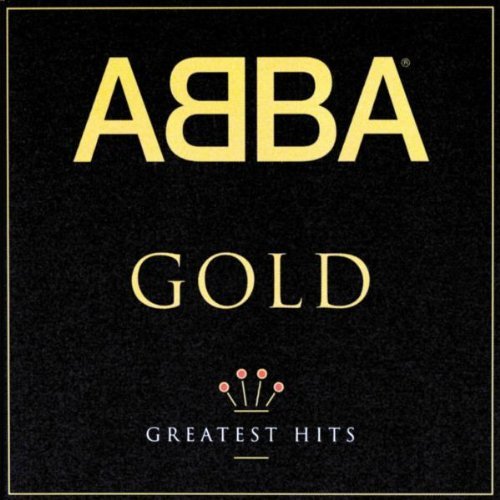
ABBA Gold: Greatest Hits Review

ABBA Gold: Greatest Hits is one of the most enjoyable greatest-hits collections ever assembled. Featuring 19 classic songs from one of the ...